

Crop market rally raises ceiling for fall fertilizer pricing
By RHIANNON BRANCH
FarmWeek
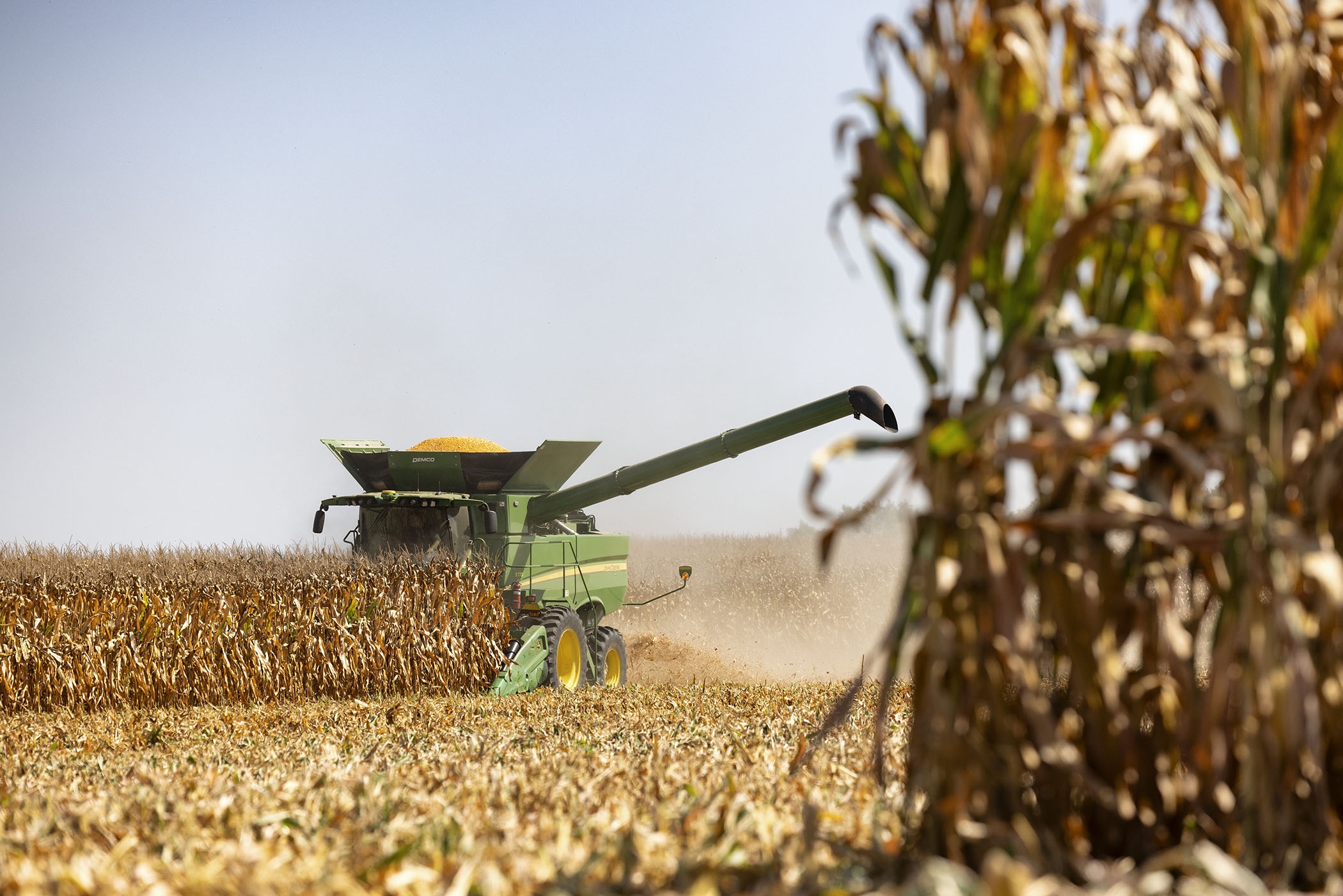
The recent uptick in corn and soybean markets could be bittersweet for farmers as fertilizer prices are expected to follow suit heading into fall application season.
“Before, when the grain prices were low, it was at least limiting the upside of price potential for the fertilizers. But now, with grain prices up, it certainly raises that ceiling,” Josh Linville, vice president of fertilizers for StoneX, told FarmWeek.
Nitrogen
When Linville started running demand models in July, anhydrous ammonia supplies looked much lower than normal. That was proven true when summer fill and fall prepay programs began and a couple of major suppliers sold allocated supplies within hours.
This year corn markets shifted from the lower $4 per-bushel-range to more than $5 and production remains strong.
“That brings a lot of nitrogen demand with it and that’s going to make a tight (supply and demand) that much worse,” Linville said. “We saw price increases last year, but this one feels like it needs to catch our attention a little bit more than 12 months ago.”
Phosphate
When corn prices were lower, Linville expected fall phosphate demand to be down 50% or more. But a higher corn price now incentivizes more farmers to consider making those applications to improve yield and take advantage of the higher corn price.
“The entire market this summer has been ‘I’m not going to buy it, I’m just going to wait,’ but we’re less than 30 days out from November and we don’t have time to wait anymore,” he said. “If demand is suddenly changing at the last second, now we’ve got a lot of just-in-time logistics we’ve got to play catch up on.”
Supplies are likely tighter than normal because farmers, retailers and manufacturers alike have been unwilling to take the price risk when demand is unknown.
Phosphate prices also remain high and U.S. rates are no longer cheaper compared to other countries.
Potash
Supply and prices for potash have been more favorable compared to other fertilizers, but Linville is starting to see cause for concern, especially in trade negotiations with Canada, the leading potash producer.
“If we start seeing penalties be placed on potash tons crossing the border into the U.S., for example, ultimately we think it’s U.S. farmers that are going to pay that price,” Linville said.
Impact on farmers
High fertilizer prices on top of increasing costs for other inputs, such as fuel, make it hard for farmers to get excited about 2027 economics, even considering higher commodity prices.
“These farmers are still not making a lot of money,” Linville said. “So, as you see these (fertilizer) prices go up, it keeps taking a little bit away from them.”
His best advice to farmers is to communicate with their fertilizer suppliers.
“If you sat there and told (your retailer) the whole time, I’m not going to buy fertilizer and then you show up in November and change your mind, then it may not be there waiting for you,” Linville said. “Retailers cannot put themselves in jeopardy like that.”
Prior to the grain market rally, Linville expected many farmers to wait until spring to apply fertilizer. But now there is a better chance of a more typical fall fertilizer season.
“One of the big fears is if we don’t have a fall season, whether that be because of weather or lack of willingness to buy it, because then you’re trying to put two seasons into one spring,” Linville added. “The market needs the fall season.”
This story was distributed through a cooperative project between Illinois Farm Bureau and the Illinois Press Association. For more food and farming news, visit FarmWeekNow.com.