

Giannoulias Urges E-Bike Riders and Holiday Shoppers to Prepare for New Safety Law Taking Effect January 1
Parents Should Check Age Requirements, Motor Power and Speed Before Purchasing
Ahead of Black Friday and the holiday shopping season, Illinois Secretary of State Alexi Giannoulias is urging Illinoisans to look beyond holiday deals when purchasing electric bikes, as new statewide safety requirements prepare to take effect on January 1.
Gianno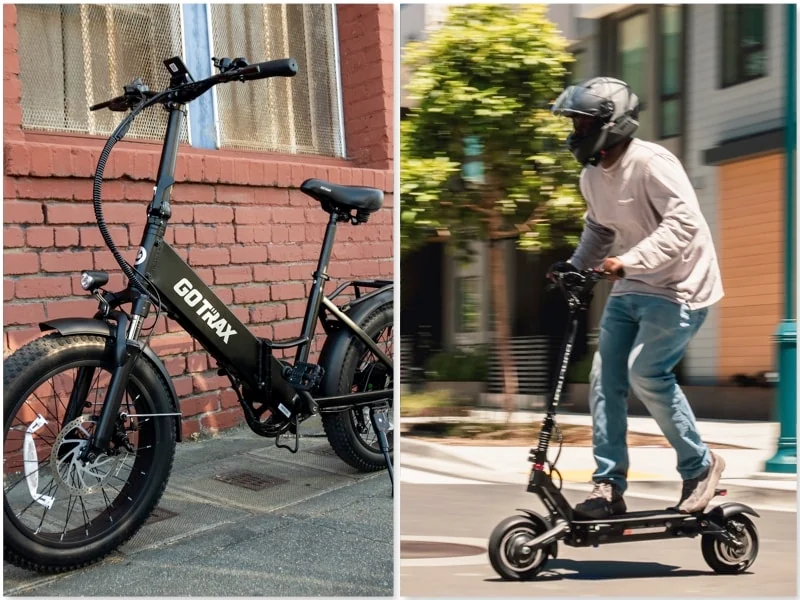 ulias warned that some devices marketed as “e-bikes” are actually high-powered electric motorcycles, or e-motos, capable of reaching speeds exceeding 50 mph. Buyers should check a device’s specifications before purchasing to ensure it is appropriate for the intended rider and legal to operate where they plan to use it.
The new law establishes minimum riding ages, clarifies where devices can operate and requires high-powered electric cycles to meet licensing, registration and insurance requirements. A driver’s license, title, registration and insurance are not required for standard Class 1, 2 and 3 e-bikes.
“Just because it’s advertised as an e-bike doesn’t mean it’s a bicycle. Some of these devices can reach speeds of more than 50 miles per hour, making them more like motorcycles than bicycles,” Giannoulias said. “The last thing any parent wants is to put something under the tree that their child isn’t ready – or legally allowed – to ride. Before you buy, check the speed, check the motor and know exactly what you’re bringing home.”
The Secretary of State’s office spearheaded the law to address a rapidly changing transportation landscape and growing safety concerns involving high-powered devices. The initiative was developed with input from bicycle and transportation advocates, law enforcement, municipal leaders, medical professionals, motorcycle enthusiasts and driver education instructors.
Know What You’re Buying
To help parents distinguish between traditional e-bikes and high-speed e-motos, the Secretary of State’s office recommends checking three key specifications before purchasing: motor power, speed and bike classification. A device’s actual capabilities determine how it is regulated, regardless of how it is advertised.
Standard e-bikes have fully operable pedals and electric motors rated at no more than 750 watts. The three classes are:
- Class 1: Pedal assistance up to 20 mph. Riders must be at least 15.
- Class 2: Throttle assistance up to 20 mph. Riders must be at least 15.
- Class 3: Pedal assistance up to 28 mph. Riders must be at least 16.
Beginning January 1, children younger than 15 cannot legally operate any of these e-bike classes.
In addition to checking motor power and speed, Giannoulias encouraged parents to purchase from reputable retailers, make sure the bike fits their child properly and look for quality brakes, lights and other safety equipment. Parents should also be cautious of devices that can easily be modified to increase their speed or power. Because e-bikes are heavier than traditional bicycles, proper fit and handling are especially important for younger riders.
Check the Rules for Scooters and Other E-Devices
Riders of electric scooters, electric skateboards and electric unicycles must be at least 16 and cannot operate at speeds exceeding 28 mph. These devices are prohibited from roads with speed limits above 35 mph unless a bike lane is available.
Confirm Higher-Powered Cycles Are Street Legal
High-speed electric cycles with motors exceeding 750 watts that can travel faster than 28 mph will be regulated as motor-driven cycles and subject to those requirements.
Riders must hold the appropriate driver’s license, and their devices must meet applicable title, registration, license plate, insurance and safety requirements. The type of driver’s license required will depend on the device’s motor power, with more powerful e-motos requiring a Class L or Class M license.
**Editor’s Note: If you find the story here of value, consider clicking one of the Google ads embedded in the story. It costs you nothing but Google will give the website owner a few cents. This is a way to help support local news at no cost to the reader.
Not all high-powered devices will qualify for registration or legal roadway use. For example, an e-moto manufactured exclusively for off-road use cannot be registered for public roadways, similar to a gas-powered dirt bike. Owners of these devices may only operate them on private property where permitted. Anyone planning to purchase an e-moto for use on public roads should confirm that it was manufactured for roadway use and meets applicable safety and equipment standards, including having a vehicle identification number (VIN).
Know Where You Can Ride
E-bikes, electric scooters, skateboards and unicycles will be prohibited from operating on sidewalks statewide, while motor-driven cycles will also be prohibited from bike lanes and bike paths.
The new law, signed by Governor JB Pritzker in August, is part of Giannoulias’ broader Ride Safe. Ride Smart. Ride Ready. initiative to improve micromobility safety, educate riders and parents and establish consistent statewide rules for rapidly evolving electric transportation devices.
For more information about the new law and the Secretary of State’s E-Bike Buying Guide for Parents, visit www.ilsos.gov/oneroad.