


Farmers feeling fertilizer, fuel price pinch
By TAMMIE SLOUP
FarmWeek
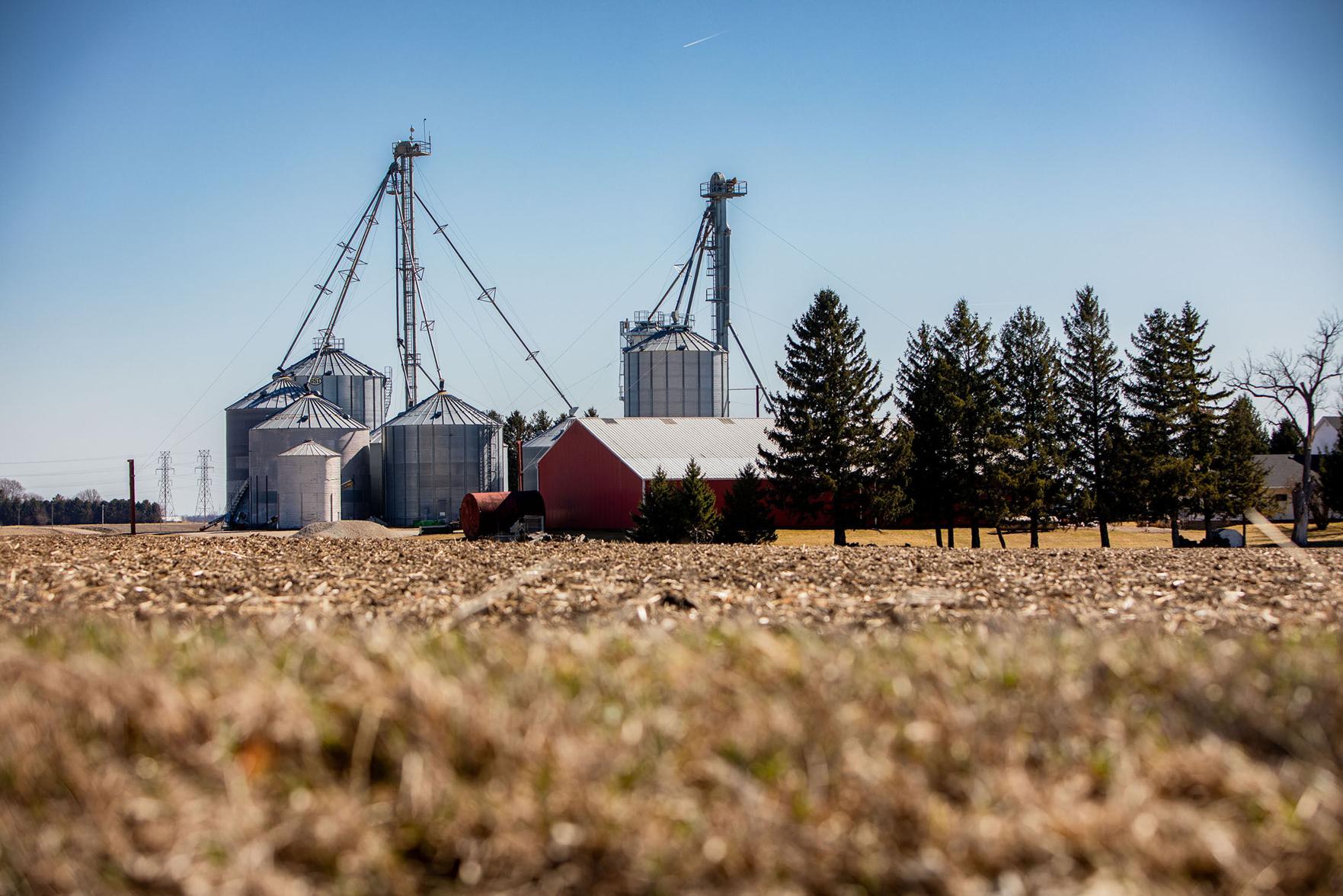 As the war in Iran intensifies, farmers across the U.S. face increased fertilizer costs and shortages as the Middle East is an important hub for nitrogen fertilizer production and exports.
John Newton, American Farm Bureau Federation vice president of public policy and economic analysis, stressed the urgency of the situation during a recent media call, noting a North Dakota member told him they already booked 60% of their fertilizer but when they recently tried to book the remainder, it was about $200 a ton higher, which increased their fertilizer bill by nearly $20,000.
“This is real money. These are real price increases that have real effects on farmers and our food security,” Newton said.
Fuel prices also influence farm operations. Diesel powers many aspects of agricultural production, so rising energy prices affect both fertilizer production costs and on-farm operating expenses.
Mike Steenhoek, executive director of the Soy Transportation Coalition, released a snapshot of what the consequences of the increase in diesel fuel can be on a farmer and grain elevator.
His calculation notes a single farmer could pay almost $2,000 more in diesel fuel due to cost escalation over the past month, and a grain elevator would pay almost $100,000 more.
U.S. farmers are bracing for a “system shock” resulting from the disruptions to shipping through the Strait of Hormuz, according to AFBF President Zippy Duvall, who penned a recent letter to President Donald Trump about the impact on the agriculture sector.
“Like oil, global fertilizer markets are highly vulnerable to disruptions in maritime transit routes, especially through the Strait of Hormuz, a critical shipping corridor for key fertilizer materials and finished fertilizer. Further, the recent energy production halts in the Middle East will affect the price and availability of many downstream products farmers depend upon. These supply chain shocks are expected to drive already record-high input prices even higher at a time when farm margins are already extremely tight and many farmers are underwater,” Duvall wrote.
**Editor’s Note: If you find the story here of value, consider clicking one of the Google ads embedded in the story. It costs you nothing but Google will give the website owner a few cents. This is a way to help support local news at no cost to the reader.
Duvall urged Trump to take proactive steps to safeguard fertilizer supply chains and reduce the risk of market disruptions. The organization also is asking fertilizer companies “to act responsibly” by avoiding price gouging. Newton said AFBF has been in communication with the White House and USDA, alerting them of potential fertilizer price gouging members are seeing.
Traffic through the normally busy strait significantly decreased the first few days of the U.S. and Israel conflict with Iran, as Iran declared the strait closed and attacked some ships that attempted the route.
During the media call, Duvall said the organization is being told many farmers who haven’t pre-ordered their fertilizer and paid for it may not obtain the fertilizer needed during the season or for spring planting.
An analysis by AFBF economists points out large volumes of urea, ammonia, phosphates, sulfur and petroleum produced in Gulf countries move through the Strait of Hormuz. Additionally, “countries exposed to disruption in the region account for nearly 49% of global urea exports and about 30% of global ammonia exports, reflecting the concentration of fertilizer production and export capacity in and near the Persian Gulf.”
South Carolina Farm Bureau President Harry Ott, who spoke during the media call, said farmers need fairness in the fertilizer distribution system.
“When you add these price increases on top of a really bad farm economy already, I’m afraid … a lot of farmers are not going to be able to finance putting a crop in,” he said.
Newton said last year, the U.S. imported about 25 million metric tons of fertilizer, and about 25% of the imports occurred in March and April.
“A lot of folks didn’t prebuy because it was a tight economic environment like they normally would,” Newton said. “So, the fertilizer is not exactly, logistically, where it needs to be around the country for application.”
Duvall’s letter states, “Without strategically prioritizing the delivery of critical farm inputs such as urea, ammonia, nitrogen, phosphate and sulfur-based products, the U.S. risks a shortfall in crops. Not only is this a threat to our food security – and by extension our national security – such a production shock could contribute to inflationary pressures across the U.S. economy.”
The administration announced plans to help ensure the safe passage of fuel shipments through key global shipping lanes.
Some of AFBF’s recommendations include using the U.S. Navy to provide safe maritime transit for fertilizer shipments; leveraging federal tools to address insurance or financing barriers for vessels transporting fertilizer cargo; adding sulfur, sulfuric acid, phosphoric acid, anhydrous ammonia, aqua ammonia and calcium nitrate to applicable exemption lists and suspending countervailing duties on imported fertilizer products to moderate price increases.
This story was distributed through a cooperative project between Illinois Farm Bureau and the Illinois Press Association. For more food and farming news, visit FarmWeekNow.com.
**Editor’s Note: If you find the story here of value, consider clicking one of the Google ads embedded in the story. It costs you nothing but Google will give the website owner a few cents. This is a way to help support local news at no cost to the reader.