


Illinois must put consumers first again — before the lights go out
By STATE SEN. SUE REZIN
 Illinois is heading into an energy crossroads, and for too many families and businesses, the warning lights are already flashing red. The newly passed Senate Bill 25 — the so-called Clean and Reliable Grid Affordability Act — was billed as a solution to our energy challenges. But in reality it moves us further away from reliable, stable, and affordable power at a time when working families, small businesses, and manufacturers can least afford higher electric bills.
Recent analyses have confirmed what energy experts have warned for months: Illinois’ power demand is surging, while its ability to meet that demand is declining. Data centers and electrification projects are driving peak power use up by 20 to 30 percent in northern Illinois and as much as 17 percent downstate, even as fossil-fuel plants that provide dependable baseload energy are closing. Both the ComEd and Ameren regions could face deficits of up to 20 percent by 2030. That means higher costs, greater strain on an already fragile grid, and a growing risk of blackouts.
Yet instead of taking decisive action to stabilize our energy supply, SB 25 hands unprecedented power to unelected regulators at the Illinois Commerce Commission. It allows the ICC — not the Legislature — to determine which plants stay open, how much energy will be generated, and what ratepayers will pay. The bill empowers regulators to raise electric rates, order new generation, and sign long-term contracts without legislative approval. That’s not accountability. That’s abdication, and we will all pay more for it.
Opponents, including the Illinois Manufacturers’ Association, the Farm Bureau, and independent consumer groups, have all warned that this bill front-loads costs onto ratepayers while deferring any real savings for years. Families and small businesses will start paying higher surcharges within the next year, even though many of the proposed benefits — like utility-scale battery storage and virtual power plants — won’t come online until 2030 or later. That means consumers are footing the bill for promises that might never materialize.
This problem is compounded by the fact that investor-backed battery storage projects can and should be financed through state or federal low-interest loans rather than being placed directly on consumer bills. Other states have already demonstrated responsible financing models. In Michigan and Texas, for example, private developers have secured hundreds of millions in construction loans, tax equity bridge loans, and credit facilities without shifting those upfront costs onto ratepayers. Illinois families should not be treated as the financiers of multibillion-dollar energy assets.
The state’s own cost-benefit analysis admits that its savings projections are “modeled assumptions,” not guarantees. The report explicitly states that these figures “do not constitute a prediction of future bill levels,” acknowledging “substantial uncertainty” around the market and regulatory outcomes. In plain English: There are no consumer protections if costs skyrocket, no cap on what ratepayers will pay, and no plan to deliver immediate relief.
Meanwhile, manufacturers that power our economy are sounding the alarm. The Illinois Manufacturers’ Association testified that the bill represents a “$7 billion bet on batteries,” with the potential to raise industrial power bills by thousands of dollars per month. The Illinois Farm Bureau warned that the legislation “imposes additional burdens on ratepayers and farmers” while failing to address the reliability needs of rural communities. For both, this is not an abstract policy debate. It’s about keeping machines running, livestock safe, and paychecks steady.
SB 25 also sidelines the very legislative oversight that should protect ratepayers. Since deregulation in 1997, Illinois has relied on competitive markets to keep costs in check. Now, we’re reversing course by concentrating decision-making power in an unelected agency with limited transparency. Even the last-minute amendment allowing lawmakers to “review” ICC rate hikes offers little comfort. Once new charges are embedded in utility tariffs, rolling them back will be nearly impossible.
The irony is that Illinois’ energy problem isn’t ideological, it’s practical. The state needs dispatchable power that can be counted on every hour of every day. Renewable energy and storage are vital parts of our future, but they cannot yet replace the steady, on-demand generation provided by nuclear, natural gas, and clean-coal facilities. Shuttering those resources prematurely risks both affordability and reliability: the two pillars of a functioning grid.
Illinois will soon need up to five additional gigawatts of new capacity just to meet projected demand. We cannot build that capacity on good intentions alone. If the goal is to prevent blackouts, protect consumers, and safeguard our economy, then our energy policy must be guided by reality, not politics.
This spring, the governor and Legislature must return to the table with a plan that puts consumers first — one that restores balance between reliability and sustainability. That means keeping our existing baseload generation online until proven alternatives are ready, investing in transmission upgrades that move power efficiently across the state, and creating rate protections that shield families and small businesses from unchecked costs.
Illinois can and should lead the nation in clean, innovative energy, but leadership begins with keeping the lights on. Our residents deserve more than promises; they deserve a power grid as strong and dependable as the people it serves.
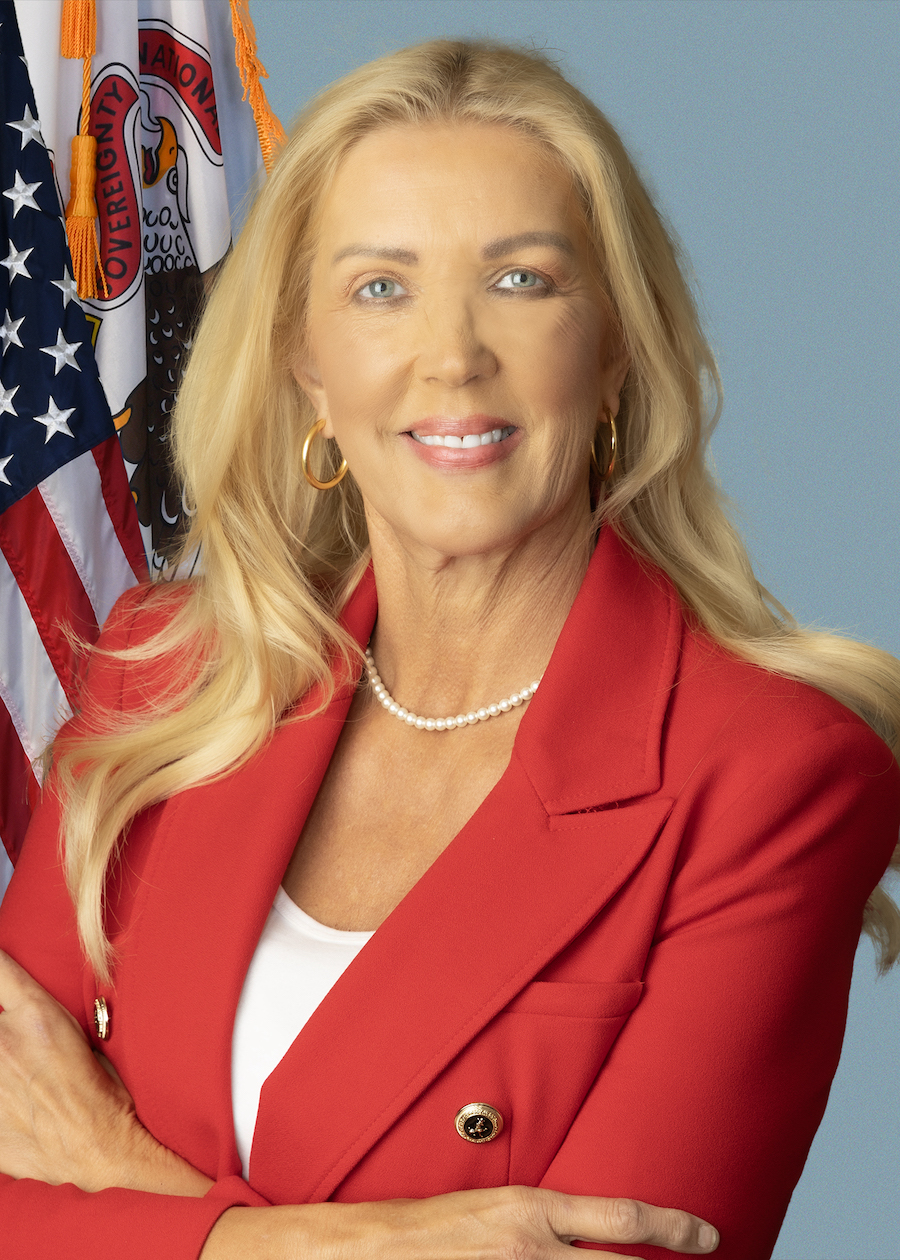
State Sen. Sue Rezin is a Republican from Morris who represents the 38th district, which includes Bureau, Grundy, Kendall, LaSalle and Putnam counties.