
NEW BOOK ON ‘MILLION DOLLAR QUARTET’
FINDS THE TRUTH IN ONE OF MUSIC’S GREAT MOMENTS
Impromptu Jam Session of Four of Music’s Superstars in 1956 is More Legend than Fact
By Tom Emery
 The “Million Dollar Quartet” was a seminal moment in American music history. Today, the one-of-a-kind event in 1956 is shrouded more in legend than fact.
December 4 marks 70 years since the impromptu gathering, which is the subject of a new book on the recollections of the four participants, all iconic figures in rock and country today.
“It was at the apex of the birth of rock and roll,” said Steve Rogstad, an acclaimed Wisconsin-based researcher who has authored a detailed analysis of the event. “It’s an exciting thing to imagine. But there is such contradictory evidence surrounding it. I wanted to learn more.”
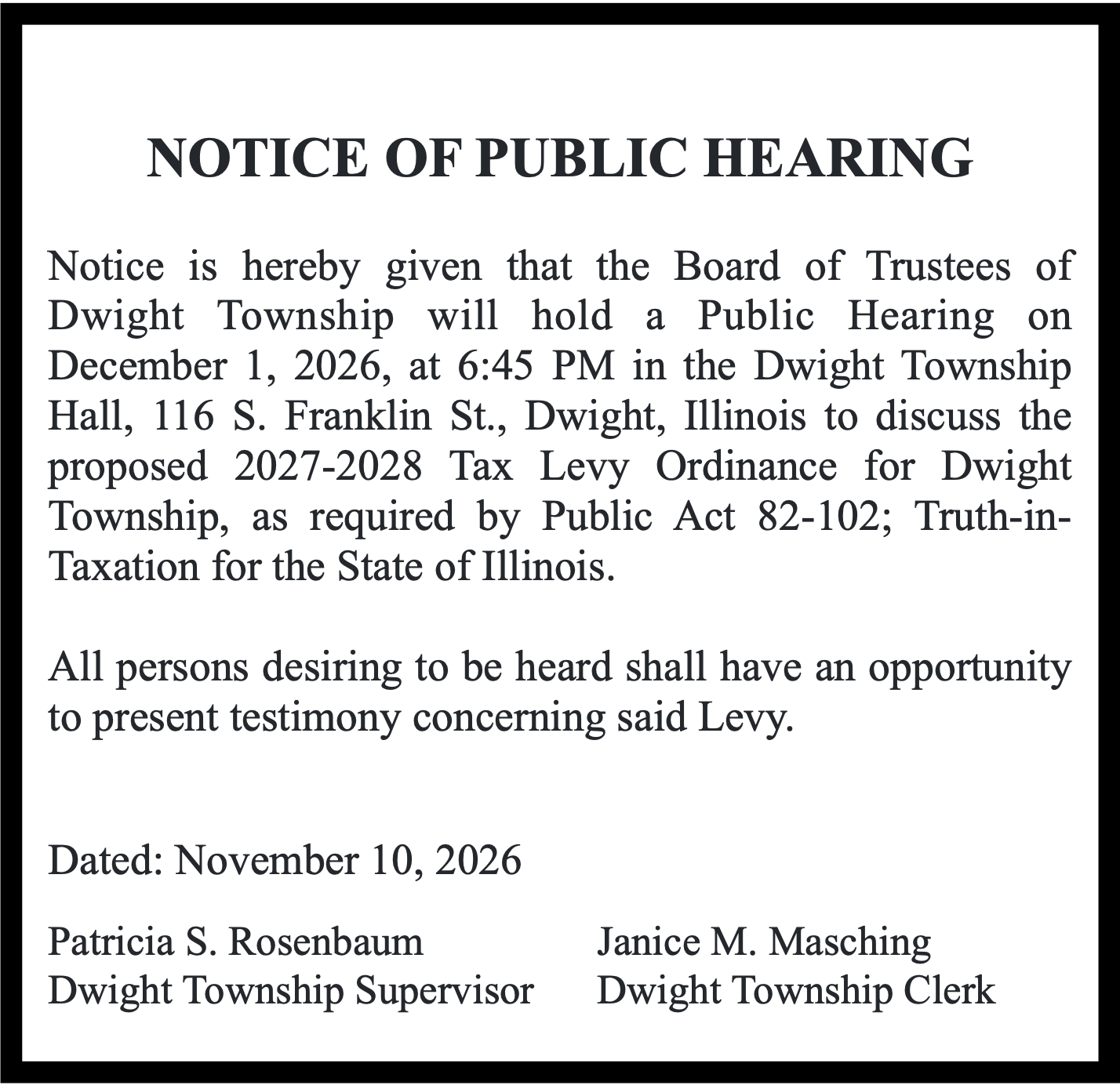
Rogstad’s new book, The Million Dollar Quartet and the Challenges of Oral Testimony, is a quick, easy read with his skillful writing style and intricate research on a remarkable moment in American music. It is available on Amazon and www.schrc.org.
The meeting, at Sun Records in Memphis on Dec. 4, 1956, featured Elvis Presley, whose contract had been sold by Sun to RCA in November 1955; Johnny Cash, who was Sun’s biggest star at the time; and Carl Perkins, who was Sun’s second-best seller.
There was also Jerry Lee Lewis, who was little more than a studio musician at the time. Lewis, who had released his first single just three days before, was playing piano for Perkins that afternoon to make a few extra dollars.
Lewis was a virtual unknown, but the others were also in the early days of their superstardom. The 21-year-old Presley, who had first toured in 1954, had five number-one Billboard hits by that time, including “Love Me Tender,” which was the nation’s top single at the time of the session.
Perkins had reached #2 on the Billboard chart earlier that year with “Blue Suede Shoes,” while Cash had number-one country hits earlier in 1956 with “I Walk the Line” and “There You Go.” Presley, Cash, and Perkins had done an eleven-date tour of the Southwest together in the fall of 1955.
“Perkins was at Sun Records that day, and Lewis was playing with him as a studio musician,” said Rogstad. “Elvis was visiting his old studio, and Cash showed up. What happened next was an improvised jam session.”
A few photographs were snapped of the foursome, which impulsively sang or played all or parts of forty-six songs, including rock, country, bluegrass, and gospel. Elvis was at the piano for much of it, with the others crowding around. Part of the session was taped, though the recording was not discovered until 1977.
*****
The one-time, impromptu session lasted for a portion of the afternoon, and was largely forgotten for decades. Though Perkins was part of Cash’s backup band from 1965-75, all four participants at Sun Records that afternoon never appeared together again.
The legend of the session blossomed with time, though, and is now considered a spectacular moment in music history. The recording of the session was first released in 1981, adding to its mystique, and several versions have since followed. Exactly who did what on that day in 1956, however, is still debated, nearly seven decades later.
That is mainly because the oral histories of three of the four musicians (Presley never spoke of the event), as well as that of the executives and technicians who were present, provide incredibly conflicting testimony. The uneven memories reflect the pitfalls of oral testimony, which became part of the book’s title.

They were also the inspiration for the project for Rogstad, 66, who is nationally known for his well-regarded studies of Abraham Lincoln, but has a longstanding fascination with the music of that era. He owns one of the largest collections of Johnny Cash recordings and memorabilia in the Midwest.
“I wanted to do this book mainly because of my interest in Johnny Cash. I’ve been a fan since I was twelve,” laughed Rogstad. “I’ve read extensively about the Million Dollar Quartet, and read countless biographies of Perkins, Lewis, and Presley that cover the subject. But none of the sources seem to agree with each other on the quartet, which I found highly unusual.”
The subject of the Million Dollar Quartet and its oral histories was originally intended as an essay on how to do historical research.
“One aspect I was particularly interested in was the use of oral testimony,” commented Rogstad. “including how accurate it is, and the constraints on how you can use it. The greatest case study of all was the Million Dollar Quartet.
“The more I read the primary sources of what happened that day, I found there was a lot more to the story,” continued Rogstad. “As it was, I did a small book on it.”
Rogstad supports his highly readable work with countless annotated notes taken from a sweeping array of sources, including statements of the individuals, biographies of each musician, and print and taped interviews.
“I went back to the primary sources,” remarked Rogstad, “and tried to figure out, what did they really say about the session?”
*****
Cash is not heard on the recordings; he stayed for an hour and left early, possibly to go Christmas shopping with his wife at the time, Vivian. Throughout his life, he strenuously tried to establish his presence at the session, changing his story various times. The reasons that his voice was not heard, though, remain unclear.
Lewis, meanwhile, grossly exaggerated his role at the session and his interactions with the others, particularly Elvis. Perkins’s recollections are likely the most credible, though the memories of the execs and technical workers are also conflicting.
“It was really surprising to me that no music historian, or general historian, had ever tried to dissect the evidence behind the session of the Million Dollar Quartet, and analyze it to find out what really happened that day,” continued Rogstad. “Even the historians for Sun Records never did.”
Today, the Million Dollar Quartet continues to capture the imagination of fans and music lovers. A Tony-nominated musical on the quartet debuted on Broadway in 2010, and is still touring.
“I think we have an age group in this country who were raised with these guys and their music,” reflected Rogstad. “All four were different, unique personalities. Johnny Cash was as close to Elvis in country music as you can get, and Perkins was the king of rockabilly. Jerry Lee was the wild man of rock and roll.
“The idea of the quartet reverts us back to a simpler time, at the birth of rock and roll,” continued Rogstad. “There was a lot of great instrumentation, and it was a fun time. People were out dancing, and they listened for the quality of the music, as people still do with all four of the artists from the Million Dollar Quartet. I don’t see that subsiding any time soon.”
Tom Emery is a freelance writer and historical researcher from Carlinville, Ill. He may be reached at 217-710-8392 or ilcivilwar@yahoo.com.