


China resumes U.S. poultry imports, restores beef market access
By TAMMIE SLOUP
FarmWeek
China will purchase at least $17 billion per year of US agricultural products through 2028, in addition to the soybean purchase commitments made in October 2025, according to the White House.
The announcement follows President Donald Trump’s May 14-15 visit to China, where he met with Chinese President Xi Jinping.
According to a White House fact sheet released May 17, the two “agreed the United States and China should build a constructive relationship of strategic stability on the basis of fairness and reciprocity.”
The White House did not announce specific commodities included in the $17 billion-per-year ag trade agreement.
US Trade Representative Jamieson Greer told CBS the purchase commitments are for “aggregate” agricultural products, and could include additional soybean buys, but also other commodities.
“When I say aggregate, I mean everything else. That could be soybeans, that could be beef, that could be grains, that could be dairy products, all kinds of things,” he said.
Illinois Farm Bureau President Philip Nelson told FarmWeek and RFD Radio Network it was “refreshing” to see the details of the meeting in China.
“We’ve seen a reversal of the commodity markets in just a couple days,” Nelson said Tuesday. “That’s been a pleasant surprise to all of us after what we went through last week. We need to continue to develop that market, because we need demand for the products we produce.”
In addition to the $17 billion agreement, China restored market access for US beef by renewing expired listings of more than 400 U.S. beef facilities, which lapsed last year, and adding new listings. China will work with US regulators to lift all suspensions of US beef facilities, the White House said.
This was the No. 1 “ask” by US ranchers who want to sell many of the “leftover” cuts of the animal (hides, skins, tongues, tendons, tripe, etc.) for additional value,” USDA Secretary Brooke Rollins wrote on social media.
“As the United States continues to diversify our overall exports this agreement provides stability in one of our largest markets,” Rollins said.
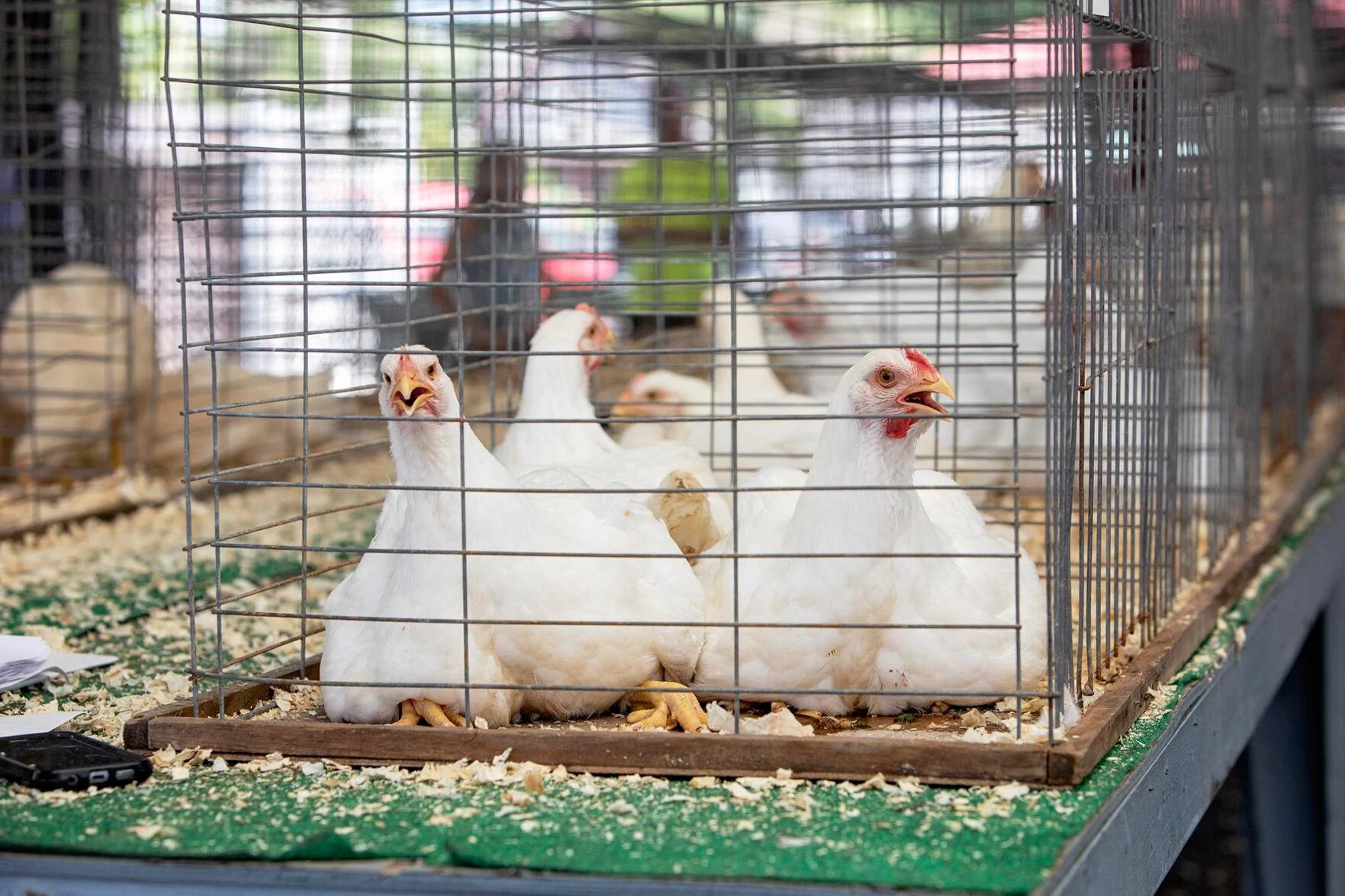
China also resumed imports of poultry from US states determined by the USDA to be free of highly pathogenic avian influenza.
In 2025, China committed to purchasing 12 million metric tons (mmt) of soybeans from the US last year, then purchase 25 mmt of US soybeans annually for the next three years.
According to Reuters, the most recent pledge, in addition to existing commitments on soybeans, would take China’s total US farm imports close to $28 billion to $30 billion a year, traders and analysts said, below a peak of $38 billion in 2022 but sharply above last year’s figure of $8 billion and $24 billion in 2024.
The Chinese government on Wednesday confirmed some of the White House’s announcements, including Beijing’s move allowing US beef exporters to register for access to the Chinese market.
The statement also said Beijing will complete a “risk assessment” process for US beef exports once they have registered with the government.
The Ministry of Commerce of the People’s Republic of China also said, “The two countries will resolve or make substantive progress toward resolving non-tariff barriers and market access issues involving some agricultural products.”
The ministry stated the US will loosen export restrictions on Chinese dairy and aquaculture products, as well as poultry.
The two presidents also chartered two new institutions to optimize the bilateral economic relationship: the US-China Board of Trade and the US-China Board of Investment.
The Board of Trade will allow the US government and the government of China to manage bilateral trade across non-sensitive goods, according to the White House. The Board of Investment will provide a government-to-government forum for discussing investment-related issues.
“We have never had a board of trade or a board of investment before,” Greer said. “In addition to this, we saw China over the past couple of days reduce a host of non-tariff barriers on agricultural products such as beef and poultry. And so, we’ve seen them already starting to do things to facilitate imports from the United States.”
President Xi is expected to visit Washington this fall.
The White House fact sheet also noted both leaders agreed Iran cannot have a nuclear weapon, called to reopen the Strait of Hormuz and agreed that no country or organization can be allowed to charge tolls.
This story was distributed through a cooperative project between Illinois Farm Bureau and the Illinois Press Association. For more food and farming news, visit FarmWeekNow.com.