

Keeping food safe amidst food insecurity
 URBANA, Ill. — Food insecurity continues to be a major issue in the United States, and the recent lapse in SNAP benefits has worsened struggles for many families. When low-income households face even a brief break in assistance, they often have to make impossible choices between groceries, rent, utilities, and other essentials. While wanting to help is commendable, it’s important to prioritize food safety. To keep food safe during these difficult times, consider the following guidelines:
Avoid donating homemade and home-canned food
Cooking for others may feel enjoyable, but there are food safety rules and regulations that must be followed to prevent someone from contracting a foodborne illness. According to the Illinois Department of Public Health, anyone providing food to the public, regardless of whether a fee is charged, is subject to the Illinois Food Code and local requirements. Leaving perishable foods on a doorstep for neighbors to take or transporting potentially hazardous foods to a shelter or congregate site can put vulnerable individuals at risk. Those relying on charitable food systems often face higher risks of severe illness due to chronic health conditions, age, or other factors.
Work with food donation programs and choose non-perishable items
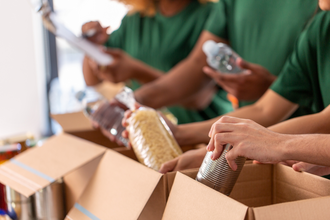
Instead of cooking at home, consider donating non-perishable items like canned fruits and vegetables, dry pasta, and dried herbs and spices to food drives, food pantries, and little free pantries. Reach out to local shelters, soup kitchens, and community centers to see if they accept food donations.
**Editor’s Note: If you find the story here of value, consider clicking one of the Google ads embedded in the story. It costs you nothing but Google will give the website owner a few cents. This is a way to help support local news at no cost to the reader.
Check items carefully before donating
Do not donate items with open or torn packaging. If canned items are bulging, leaking, or heavily dented, they should be discarded. Do not donate expired infant formula. In most cases, it’s acceptable to donate food packages and canned items after the date on the label, since these dates indicate quality, not safety.
Consider monetary donations or volunteering
Donating money to food banks or food pantries is a safe and effective way to support food security. It also allows them to buy in bulk at lower prices and get exactly what they need. Volunteering benefits both the community and the individual, offering personal benefits such as increased physical activity, stronger social bonds, and improved mental health.
Many community food pantries and charitable programs have experienced increased demand, and they rely on community volunteers to help. Food assistance resources and locations for donations or volunteering can be found at go.illinois.edu/findfoodil. Additional information and Illinois Extension resources are available at go.illinois.edu/FoodAccessNeeds.