


In Illinois, school boards do not directly establish a specific rate; rather, they determine the total dollar amount of property taxes they need to collect, known as the levy, which is then converted into a tax rate by the county clerk based on the total value of property in the district. The entire process is strictly governed by state law, including the Property Tax Extension Limitation Law (PTELL), commonly referred to as the “tax cap”.
The Levy Process
- Budgeting and Determination of Need: The school board first approves its annual budget, which determines the total revenue required from all sources (state aid, federal funds, local property taxes, etc.). The board then determines the specific amount of local property tax revenue needed to balance that budget.
- Public Hearing: The board must hold a public hearing to discuss the proposed levy ordinance and allow for public comment. This promotes transparency and citizen input.
- Adoption of the Levy Ordinance: Following the hearing, the school board officially adopts the tax levy ordinance, which is a formal request for a specific dollar amount of property taxes. This request must be submitted to the county clerk by the last Tuesday in December.
- County Clerk Calculation: The county clerk takes the total assessed value of all taxable property within the school district (known as the Equalized Assessed Value or EAV) and the school board’s requested levy amount to calculate the final tax rate. The tax rate is essentially the amount of the levy divided by the EAV, often expressed as a percentage or a dollar amount per $100 of EAV.
Impact of the Property Tax Extension Limitation Law (PTELL)
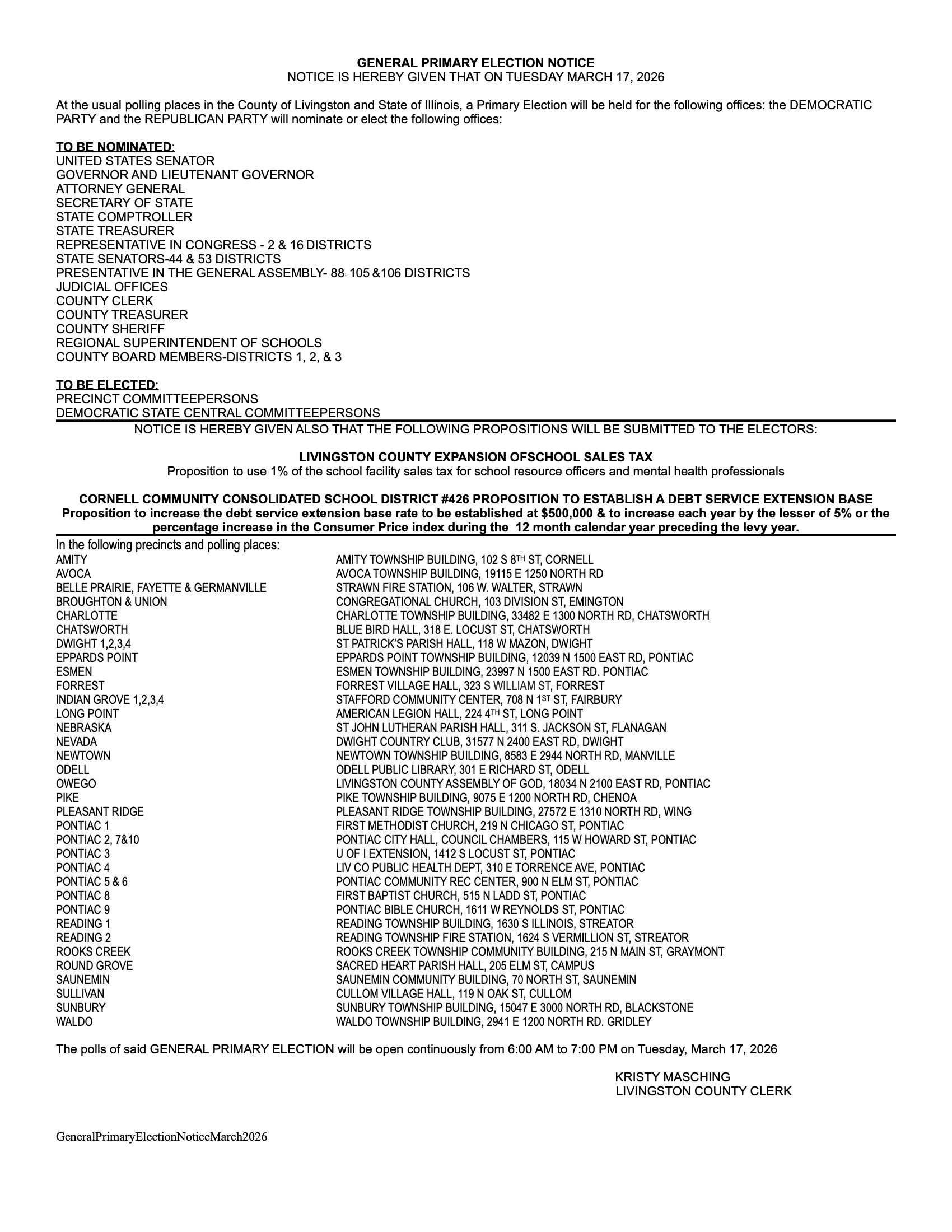
The PTELL limits the annual increase in the total property tax extension (the actual amount of taxes collected) for a taxing district to the lesser of 5% or the rate of increase in the national Consumer Price Index (CPI).
- Rate vs. Amount: While this law is called a “tax cap,” it primarily limits the growth of the amount of total tax revenue a district can receive, not the individual tax bill or the specific tax rate.
- Exceptions: Increases above this limit are possible through voter-approved referenda or for specific, non-PTELL-exempt levies such as the special teacher pension fund established by Chicago Public Schools in 2016.
- Assessment Changes: The law also does not prevent individual tax bills from increasing more than the cap if a specific property’s assessed value significantly increases compared to others (e.g., after an reassessment or new construction).
The school board establishes the desired revenue amount, but the final rate is a function of that request, the total property value in the district, and state-mandated legal limitations.