


Congress advances whole milk bill
By TAMMIE SLOUP
FarmWeek
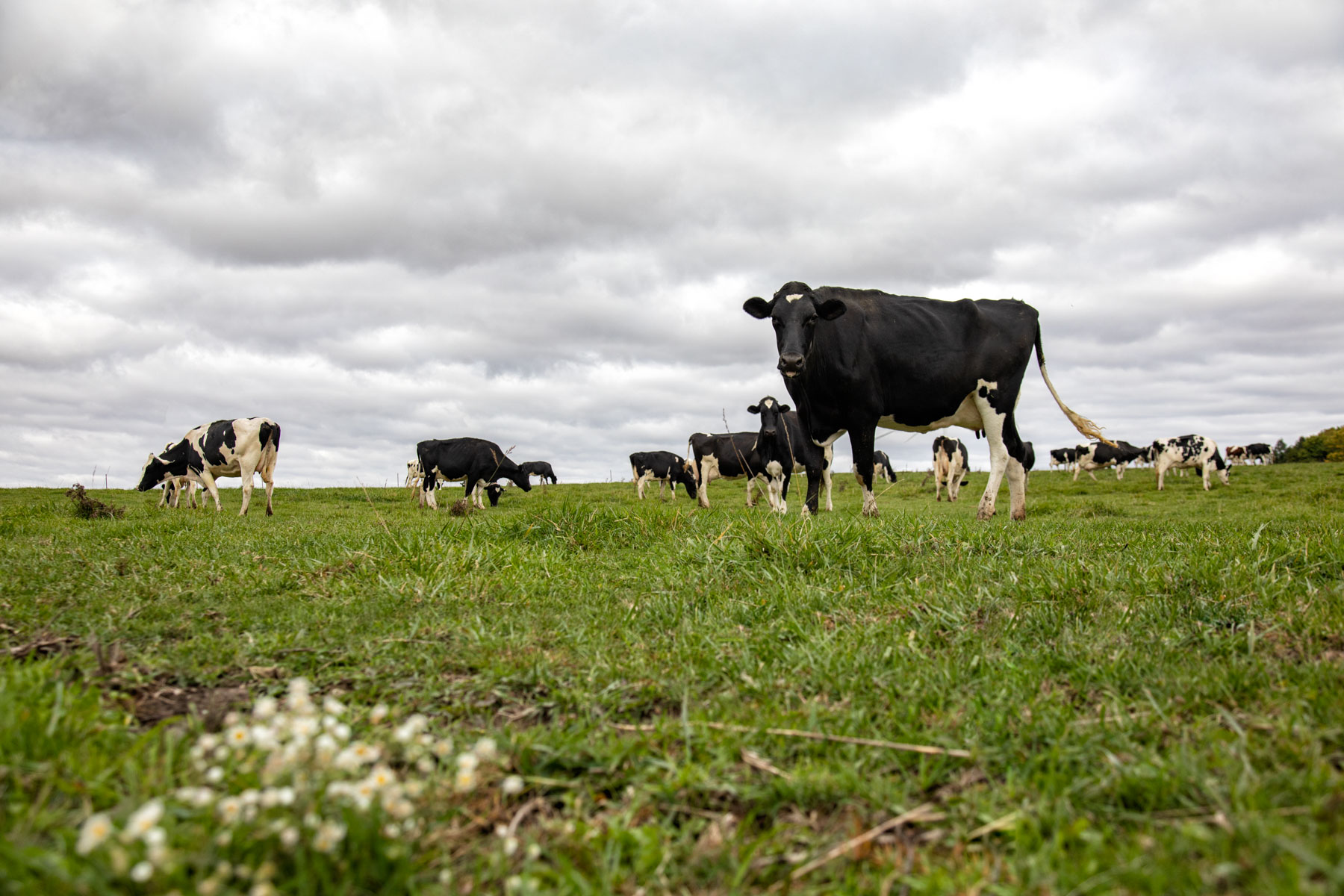
After more than a decade of whole milk being absent from school cafeterias, legislation allowing for more milk options awaits the president’s signature.
The Whole Milk for Healthy Kids Act, passed by the U.S. House on Dec. 15 and the Senate in November, would overturn USDA’s 2012 restrictions that have limited schools to providing only flavored and unflavored, low fat, fat-free and lactose-free milk. The legislation would help revitalize an industry that has steadily lost market share and reconnect children to the benefits and taste of milk.
Agriculture groups, including Illinois Farm Bureau, have supported the Whole Milk for Healthy Kids legislation.
“This is a significant win for Illinois dairy farmers and most importantly, for school children,” IFB President Philip Nelson said. “With passage of the Whole Milk for Healthy Kids Act, students will once again have access to a fortified, nutritious whole milk option at school, supporting healthy growth and development. This is an initiative we have worked toward for years, and we are grateful to see strong bipartisan support in Congress.”
The legislation would amend the National School Lunch Program to exclude milk fat from calculations of saturated fat in school meals and let students receive non-dairy beverages such as soy milk without a doctor’s note.
“It’s also important to remember this legislation does not require any student to drink or any school to serve whole milk,” House Ag Committee Chair Glenn “GT” Thompson, R-Pennsylvania, said on the chamber floor. “Rather, this legislation simply gives schools the flexibility to serve a broader variety of milk in the school lunch room.”
**Editor’s Note: If you find the story here of value, consider clicking one of the Google ads embedded in the story. It costs you nothing but Google will give the website owner a few cents. This is a way to help support local news at no cost to the reader.
In 2010, Congress passed the Healthy, Hunger-Free Kids Act, which aimed to reduce childhood obesity and cut health risks for kids. It required school meals to include more whole grains, fruits and vegetables, protein and low-fat dairy and less sugar, sodium and fat. Starting in 2012, whole and 2% milk were not permitted in school meals because those products are higher in saturated fat and calories than lower-fat options.
“Once the bill is signed, the USDA, through its Food and Nutrition Service, will issue updated guidance and regulations that reflect the new statutory authority,” AFBF Economist Danny Munch said earlier this month. “Individual school districts will then decide if and when to offer whole milk or 2% milk in their cafeteria menus. Many school districts adjust those menus between semesters or on an annual cycle, so adoption could occur within the start of the new year or months later when they set up for next year.”
Ag Secretary Brooke Rollins said the legislation is a significant step forward in strengthening school nutrition and supporting America’s dairy farmers, and “is more than a policy change; it’s a practical tool for promoting health nationwide and ensuring that America’s next generation thrives.”
This story was distributed through a cooperative project between Illinois Farm Bureau and the Illinois Press Association. For more food and farming news, visit FarmWeekNow.com.
**Editor’s Note: If you find the story here of value, consider clicking one of the Google ads embedded in the story. It costs you nothing but Google will give the website owner a few cents. This is a way to help support local news at no cost to the reader.